Nowadays, becoming environmentally conscious or going green are no longer buzzwords. They have become mainstream, with 58.4% of Australians preferring to rely on electricity powered by renewable energy. This preference should come as no surprise, especially as fuel prices continue to rise due to ongoing global conflicts.
One of the most effective ways to create an eco-friendly home is by installing solar-ready electrical systems. This means a property is pre-wired and structurally prepared to accommodate future solar panels and battery storage with minimal disruption. By planning ahead, homeowners can avoid costly retrofitting while ensuring their switchboard, wiring and conduit pathways comply with modern building standards and also have the capacity to safely support renewable energy systems.
So, what are the key features and considerations of a solar-ready home? Read on to find out.
Planning Electrical Infrastructure for Solar Integration
As with any home project, the planning stage is the most crucial. It forms the foundation upon which everything else relies and solar integration is no exception.
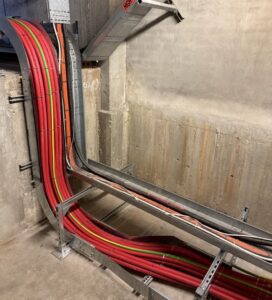
Electrical conduits, cable pathways and roof access points should be considered early in the design stage to ensure future solar panels can be installed efficiently. Allocating space for inverters, battery systems and other supporting equipment can also simplify future upgrades and reduce installation costs.
Home renovations are an ideal opportunity to prepare a property for solar integration. Incorporating solar-ready infrastructure during renovation works is often more cost-effective and less disruptive than modifying an existing electrical system later.
Upgrading Switchboards and Electrical Panels
Switchboard capacity is a key consideration when preparing a home for solar power. Older electrical switchboards may not have the capacity to safely accommodate solar inverters, battery storage systems and increasing household energy demands.
A modern switchboard acts as the central hub of a home’s electrical system, helping distribute power safely and efficiently. Ensuring sufficient capacity from the outset can prevent overloading, improve system reliability and create a stronger foundation for future renewable energy upgrades.
Many older properties may also require safety upgrades, such as residual current devices (RCDs) and circuit protection improvements, to meet current electrical standards. Addressing these requirements early can streamline future solar installations while ensuring the system remains safe and compliant.
Upgrading to a modern switchboard helps ensure compliance with current electrical standards while improving overall safety. It also provides the flexibility to support future renewable energy technologies as household energy requirements evolve.
Energy-efficient Lighting for Solar-Ready Homes
Energy-efficient lighting helps reduce the overall electricity demand of a household, allowing homeowners to maximise the benefits of renewable energy systems. LED lighting is one of the simplest and most effective upgrades, consuming significantly less electricity and lasting much longer than traditional bulbs.
Smart technologies can further improve efficiency. Features such as automated lighting controls, occupancy sensors and energy monitoring systems help homeowners better manage energy usage and reduce unnecessary consumption throughout the day.
Therefore, it should come as no surprise that the adoption of smart homes continues to increase among Australians, especially as cost and bills continue to become top of mind for most. A Statista report found that the smart home penetration in Australia stands at 86.1% in 2025 and is predicted to reach 95.2% by 2029.
Battery Storage and Future Energy Systems
Solar-ready homes are designed to support battery storage systems, providing greater flexibility and energy independence. Batteries store excess solar energy generated during the day, allowing it to be used during the evening, periods of peak demand or power outages.
By storing surplus energy for later use, battery systems help homeowners maximise the value of their solar investment. This reduces reliance on grid electricity and allows households to make better use of the renewable energy they generate.
Future-proofing a home’s electrical infrastructure also makes it easier to adopt emerging technologies, including electric vehicle charging stations, smart home energy management systems and advanced battery solutions. Planning ahead can minimise future installation costs and ensure the home remains adaptable as energy technologies continue to evolve.
The Environmental Benefits of Solar-ready Homes
Beyond reducing electricity costs, solar-ready homes play an important role in supporting a more sustainable future. By making the transition to renewable energy easier, homeowners can reduce their environmental impact while preparing for changing energy demands. The environmental benefits of solar powered homes include:
Reduced Carbon Emissions
Solar energy generates electricity without producing greenhouse gas emissions during operation. By relying less on fossil fuel-based power, households can significantly lower their carbon footprint and contribute to cleaner air and a healthier environment.
Reduced Reliance on Fossil Fuels
Traditional electricity generation often depends on coal, gas and other non-renewable resources. Solar-ready homes make it easier to adopt renewable energy systems, helping reduce dependence on finite energy sources and supporting long-term energy sustainability.
Improved Energy Efficiency
Solar-ready electrical infrastructure is often paired with energy-efficient technologies such as LED lighting, smart controls and battery storage systems. Together, these solutions help minimise energy waste and maximise the use of available renewable energy.
Supporting a Sustainable Future
Preparing a home for solar power today helps support the broader transition towards cleaner energy systems. As renewable technologies continue to evolve, solar-ready homes are better positioned to adopt future innovations while contributing to a more sustainable residential sector.
NJP Electrical Services: Your Expert Partner in Solar-ready Electrical Solutions
As more households seek alternatives to fossil fuel-based energy, solar power has emerged as a leading solution. While the initial investment may seem significant, a well-designed solar-ready electrical system can deliver long-term savings through reduced energy costs and improved energy efficiency.
At NJP Electrical Services, we provide end-to-end solar-ready electrical solutions. As licensed electricians, we assist with everything from electrical planning and switchboard upgrades to preparing homes for future solar panel and battery installations.
Our team ensures every system is designed with safety, compliance and long-term performance in mind, giving homeowners confidence that their property is ready for the transition to renewable energy.
By investing in solar-ready infrastructure today, homeowners can avoid costly modifications in the future while positioning their properties to take advantage of evolving energy technologies. With the right electrical foundations in place, making the switch to renewable energy becomes simpler, safer and more cost-effective.
Ready to take the first step towards a more sustainable and energy-efficient home? Contact us today to discuss your solar-ready electrical requirements.